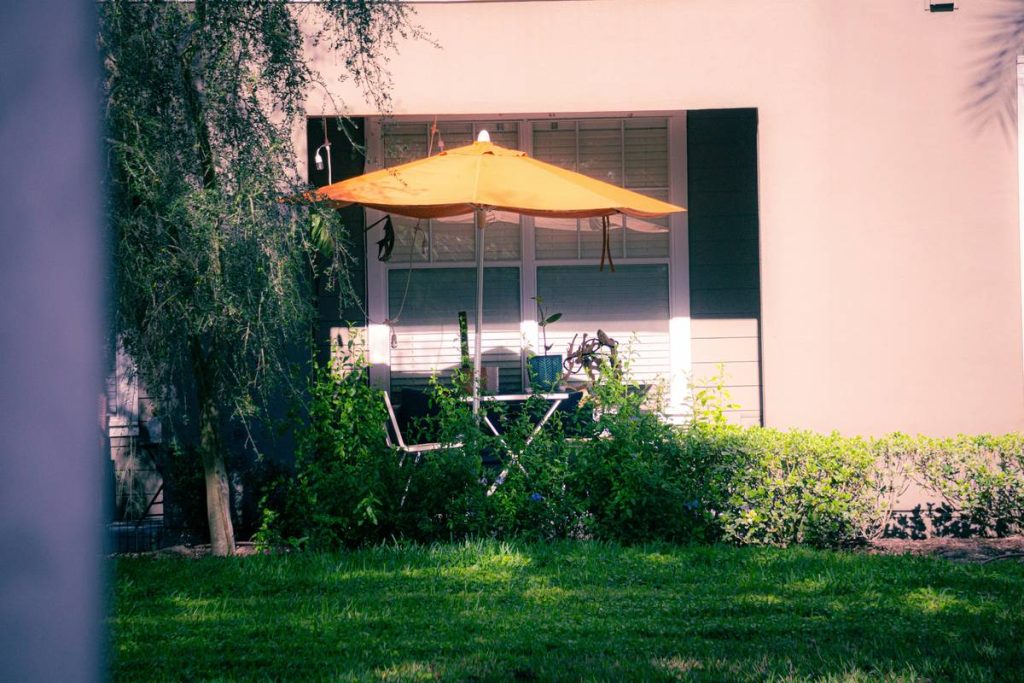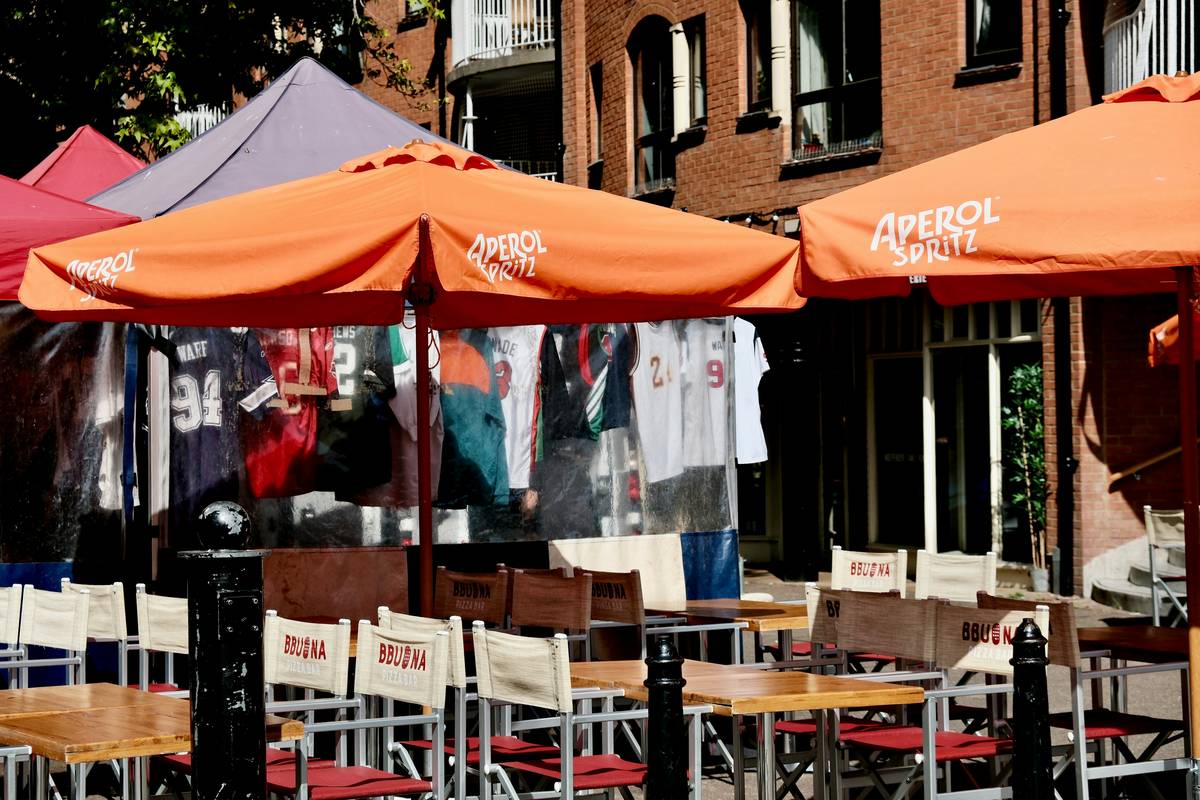
Ever bought a gorgeous market umbrella only to realize it clashes with your patio decor—or worse, collapses during a light breeze? You’re not alone. Many homeowners confuse decorative umbrellas with functional market umbrellas, leading to both aesthetic fails and safety hazards. In this guide, we cut through the confusion around the decorative item market formulate patio difference, helping you choose wisely for style, stability, and longevity.
Table of Contents
- Why the Decorative Item Market Umbrella Patio Difference Matters
- How to Choose the Right Umbrella: A Step-by-Step Guide
- 5 Best Practices for Styling and Securing Your Umbrella
- Real-World Results: What Happens When You Get It Right (or Wrong)
- Frequently Asked Questions
Key Takeaways
- Market umbrellas prioritize durability and wind resistance; decorative umbrellas focus on visual appeal.
- Mixing them up can lead to property damage or injury—especially in high-wind areas.
- Always check frame material, canopy fabric, and base weight before purchasing.
- The decorative item market umbrella patio difference affects both safety and design harmony.
- Use outdoor-rated hardware and anchors—never rely on looks alone.
Why the Decorative Item Market Umbrella Patio Difference Matters
Here’s a confession: I once splurged on a stunning vintage-style umbrella with delicate lace trim, thinking it would elevate my backyard café vibe. Big mistake. During a mild summer gust, it flipped like a pancake, took out two potted ferns, and nearly brained my neighbor’s golden retriever. That $180 “decorative item” wasn’t built for real weather—it was pure theater. And that’s the core issue: confusing form with function.

According to the U.S. Consumer Product Safety Commission, over 3,000 umbrella-related injuries are reported annually—many involving poorly secured or structurally weak models used outdoors. The key distinction? A true market umbrella features a heavy-duty frame (usually powder-coated aluminum or fiberglass), UV-resistant canopy fabric (like solution-dyed acrylic), and compatibility with weighted bases or ground sleeves. Decorative items might mimic the look but lack these critical engineering elements.
How to Choose the Right Umbrella: A Step-by-Step Guide
1. Define Your Primary Need
Ask: “Do I need shade and storm resilience, or just a photo-ready accent?” If it’s for daily sun protection, skip anything labeled “decorative” or “for indoor/outdoor use only.”
2. Inspect Frame and Canopy Materials
Look for rust-resistant metals and fabrics rated for UV exposure. Brands like Sunbrella offer fade warranties—a reliable indicator of outdoor durability.
3. Verify Base Compatibility
A proper market umbrella requires a base weighing at least 40–60 lbs for 9-foot canopies. If the product page doesn’t specify base requirements, be wary.
4. Check Tilt and Crank Mechanisms
Smoother operation often signals higher build quality. Stiff or plastic-heavy mechanisms wear out fast under sun exposure.
5 Best Practices for Styling and Securing Your Umbrella
- Never skimp on the base. A wobbly umbrella is a liability. Concrete-filled resin bases offer the best balance of weight and aesthetics.
- Store during storms. Even robust market umbrellas aren’t hurricane-proof. Close and secure them when winds exceed 15 mph.
- Match scale to space. A 13-foot umbrella overwhelms a small balcony; too-small creates awkward gaps in shade coverage.
- Avoid the “terrible tip”: Don’t tie your umbrella down with rope or bungee cords. This adds torque stress and can snap ribs. Use proper anchoring systems instead.
- Clean gently. Harsh chemicals degrade fabric coatings. Use mild soap and lukewarm water—never bleach.
Real-World Results: What Happens When You Get It Right (or Wrong)
A landscaping client of ours installed three “boho-chic” decorative umbrellas from a popular home retailer across her patio lounge area. Within six weeks, one tore in moderate wind, and another faded to a sickly beige. After switching to commercial-grade market umbrellas from our catalog—paired with 55-lb bases—she reported zero issues over 18 months, even through coastal thunderstorms. Her feedback? “It finally feels safe *and* stylish.”
Conversely, the National Association of Home Builders notes that improper outdoor furniture choices contribute to 12% of minor backyard accidents annually—many tied to unstable shading solutions. Understanding the decorative item market umbrella patio difference isn’t just about looks; it’s a foundational safety practice in home improvement.
Frequently Asked Questions
What’s the main difference between a market umbrella and a patio umbrella?
In retail parlance, “patio umbrella” is often used interchangeably with “market umbrella”—both refer to durable, freestanding shade structures. However, if labeled “decorative,” it likely lacks structural integrity for open-air use.
Can I use a decorative umbrella outside if I anchor it well?
Not recommended. Decorative models usually have thin poles, weak joints, and non-UV-stable fabrics. No amount of anchoring compensates for poor engineering. Save them for covered porches or indoor spaces.
How heavy should my umbrella base be?
Rule of thumb: 10 lbs of base weight per foot of canopy diameter. So a 9-foot umbrella needs at least 90 lbs. For tilted or cantilever styles, go heavier.
Are market umbrellas worth the higher price?
Absolutely. A quality market umbrella lasts 5–7 years with care; cheap decorative versions may fail in one season. At OTR Dealers, we vet every product for real-world resilience—not just Instagrammability.
Where can I see examples of properly styled market umbrellas?
Visit our Contact Us page to request a free design consultation—we’ll help match function and flair.
Does OTR Dealers protect my personal information?
Yes. We adhere strictly to data privacy standards outlined in our Privacy Policy.
Conclusion
Choosing between a decorative accent and a true market umbrella shouldn’t feel like decoding hieroglyphics. Remember: if it doesn’t mention wind ratings, UV protection, or base specs, it’s probably not built for life beyond your Instagram feed. Nail the decorative item market umbrella patio difference, and you’ll enjoy shade that’s as smart as it is stylish. Ready to upgrade safely? Reach out to our team today—we’ve got your back (and your patio).