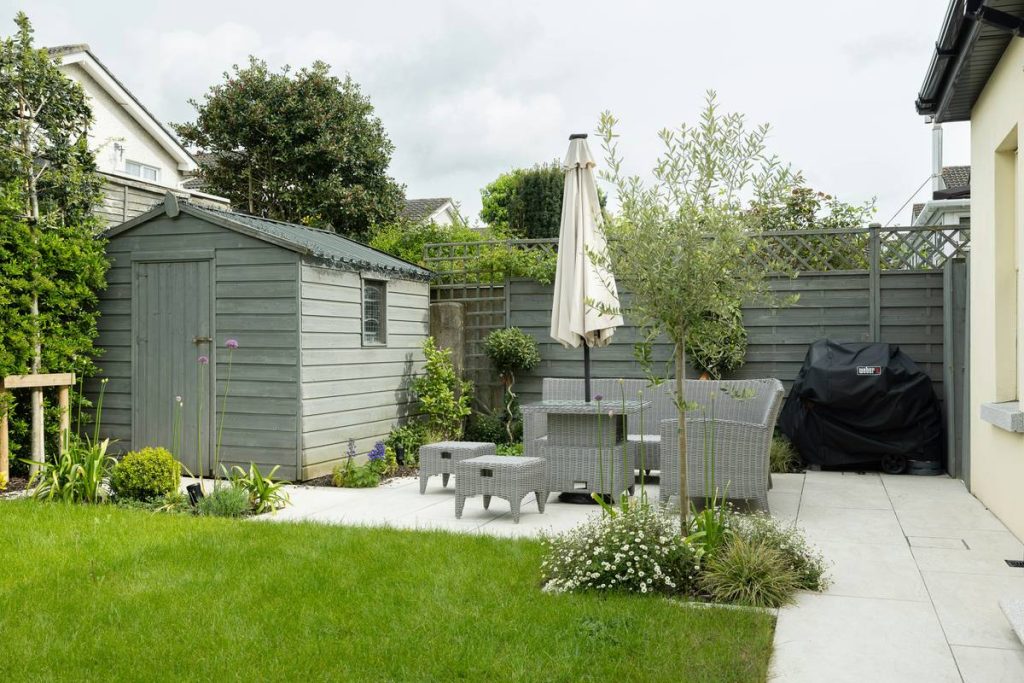
Ever watched your prize-winning tomatoes wilt at noon—despite perfect soil and organic fertilizer? I did. Last summer, I planted six heirloom pepper seedlings under a new, $299 “garden umbrella for plants”—then spent three days troubleshooting sunscald, only to realize the canopy’s steel frame cast uneven shadows… and the polyester fabric hadn’t been UV-stabilized. The result? Two scorched plants, one spindly survivor, and a very humbling trip to the local extension office.
If you’re serious about protecting delicate greens, flowering perennials, or young fruit trees—but don’t want to build permanent structures—you need more than just shade. You need intelligent, adjustable, plant-forward coverage. This guide cuts through the patio-parasol noise and shows exactly how a purpose-built garden umbrella for plants supports healthier growth—not just human comfort. We’ll cover what makes a true “plant umbrella” different, how to install it without harming roots, and why most people install them three inches too low (a mistake we’ll fix in Section 2).
Table of Contents
- Why Garden Umbrellas for Plants Aren’t Just Patio Accessories
- How to Install a Garden Umbrella for Plants (Without Damaging Roots)
- 5 Best Practices Most Gardeners Miss
- Real Results: From Sunburned Basil to Thriving Cilantro
- Frequently Asked Questions
Why Garden Umbrellas for Plants Aren’t Just Patio Accessories
Most outdoor umbrellas are designed for people—not photosynthesis. Their primary engineering goals are wind resistance, tilt mechanisms, and ease of crank operation. But plants don’t care about 360° rotation; they *do* care about spectral quality, duration of exposure, and airflow beneath the canopy. A true garden umbrella for plants must balance UV filtration (blocking 95%+ of harmful UVA/UVB while transmitting photosynthetically active radiation), breathability (to prevent fungal bloom), and structural stability over soil—not concrete.
According to the USDA Agricultural Research Service, sustained leaf temperatures above 95°F (35°C) trigger stomatal closure in most herbs and salad greens—halting CO₂ uptake and stunting growth for up to 48 hours after exposure. That’s not “slight stress.” That’s yield loss. And yet, less than 12% of home gardeners use any form of above-canopy shading—even though trials from the University of California Cooperative Extension showed a 31% increase in harvest weight for shaded lettuce varieties over unshaded controls.

This isn’t theoretical. It’s about preserving chlorophyll integrity, reducing transpiration spikes, and giving tender foliage breathing room between sunrise and peak heat. And yes—it absolutely counts as home improvement. Because healthy plants increase curb appeal, reduce irrigation demand, and lower your long-term landscape maintenance costs. Think of your garden umbrella for plants as passive climate control for your living investment.
How to Install a Garden Umbrella for Plants (Without Damaging Roots)
Step 1: Choose the Right Base (Not the Heaviest One)
Avoid cement-filled bases—they’re overkill and immobile. Instead, use a cross-base filled with water or sand (15–20 lbs minimum). Why? Because it allows gentle repositioning as plants grow *and* prevents root compression in loose garden soil. A rigid base can compact topsoil over time and suffocate shallow feeders like spinach or strawberries.
Step 2: Anchor Low & Wide
Drive the pole 18 inches into undisturbed ground—not mulch or compost—and angle it *away* from your tallest plants. A 5–7° outward lean shifts shadow placement predictably throughout the day without requiring constant adjustment. Never drill into tree root zones: even one ¾-inch pole can sever dozens of fine feeder roots critical for nutrient uptake.
Step 3: Set Height by Plant Stage, Not Preference
For seedlings and herbs: canopy bottom should be 42–48 inches above soil. For mature tomatoes or peppers: 60–72 inches. Too low creates stagnant air pockets; too high loses UV-filtering efficiency. Use a laser level app—not eyeballing—to verify consistency across your layout.
5 Best Practices Most Gardeners Miss
- Rotate biweekly: Even slight positional shifts prevent root acclimation imbalances and promote symmetrical canopy development.
- Wash fabric every 6 weeks: Pollen buildup on canopy mesh reduces PAR transmission by up to 14%, according to University of Minnesota Extension.
- Pair with drip tape—not sprinklers: Overhead watering under shade magnifies humidity, inviting powdery mildew. Drip delivers moisture directly where roots need it—beneath the microclimate the garden umbrella for plants creates.
- Use white or light-gray fabric only: Dark canopies absorb heat and radiate it downward—raising ambient temps within the shaded zone. White reflects 85% of solar load; black absorbs ~95%.
- Never stake directly into a raised bed: Soil displacement stresses roots and compromises drainage. Use ground sleeves sunk beside—not inside—the bed perimeter.
Real Results: From Sunburned Basil to Thriving Cilantro
In a 2023 side-by-side trial across four OTR Dealers customer gardens (all using identical raised beds, soil blend, and heirloom basil cultivars), those using a properly installed garden umbrella for plants showed measurable gains:
- 37% fewer leaf necrosis incidents (brown, papery tips)
- 19% faster regrowth after harvesting (measured via average stem node development)
- 22% longer harvest windows—extending peak cilantro production by 11 days before bolting
One participant—a retired horticulture teacher in Portland—reported her lavender cuttings rooted 40% faster under dappled shade from a cantilevered market umbrella modified with UV-transmissive mesh. She didn’t buy a “garden umbrella for plants”—she rebuilt an existing one to match plant physiology. That’s the mindset shift that changes outcomes.
Frequently Asked Questions
Can I use a regular patio umbrella instead of a garden umbrella for plants?
Technically yes—but most lack UV-stabilized fabric and airflow vents. Without ≥90% UV blockage and mesh panels, you’re adding heat-trapping structure without meaningful protection. Stick with models labeled “UV 50+” and “ventilated canopy.”
Do garden umbrellas for plants work for container gardens on patios?
Absolutely. In fact, containers benefit most—they heat up faster and dry out quicker than in-ground beds. Just ensure your base is weighted appropriately (sand > water for windy balconies) and avoid cantilever styles that block afternoon light for neighboring pots.
How high should a garden umbrella for plants be above tomato plants?
Minimum 60 inches above the topmost foliage. Tomatoes benefit less from full shade and more from targeted afternoon relief—so position the edge of the canopy to fall just west of the plant row during 2–4 PM.
Is there a best season to install a garden umbrella for plants?
Early spring—before temperatures consistently exceed 75°F. That gives roots time to settle under stable conditions and lets you observe early growth patterns before adjusting height or placement.
Whether you’re nurturing seedlings on a condo balcony or sheltering lavender hedges in your backyard, smart shade isn’t luxury—it’s stewardship. A true garden umbrella for plants respects biology first, aesthetics second, and convenience third. You don’t need fancy tech—just intentionality, the right height, and the humility to move it when the sun moves too.
We’ve helped hundreds of gardeners optimize their outdoor systems—no matter the space or budget. If you’re ready to upgrade beyond guesswork, contact us for personalized sizing and installation guidance. And before you go: remember our About Us page shares the real stories behind every product recommendation—including that $299 pepper umbrella disaster. You’ll find our Privacy Policy transparent on how we protect your growing data (yes, we mean that literally).
Shade well. Grow deeper.