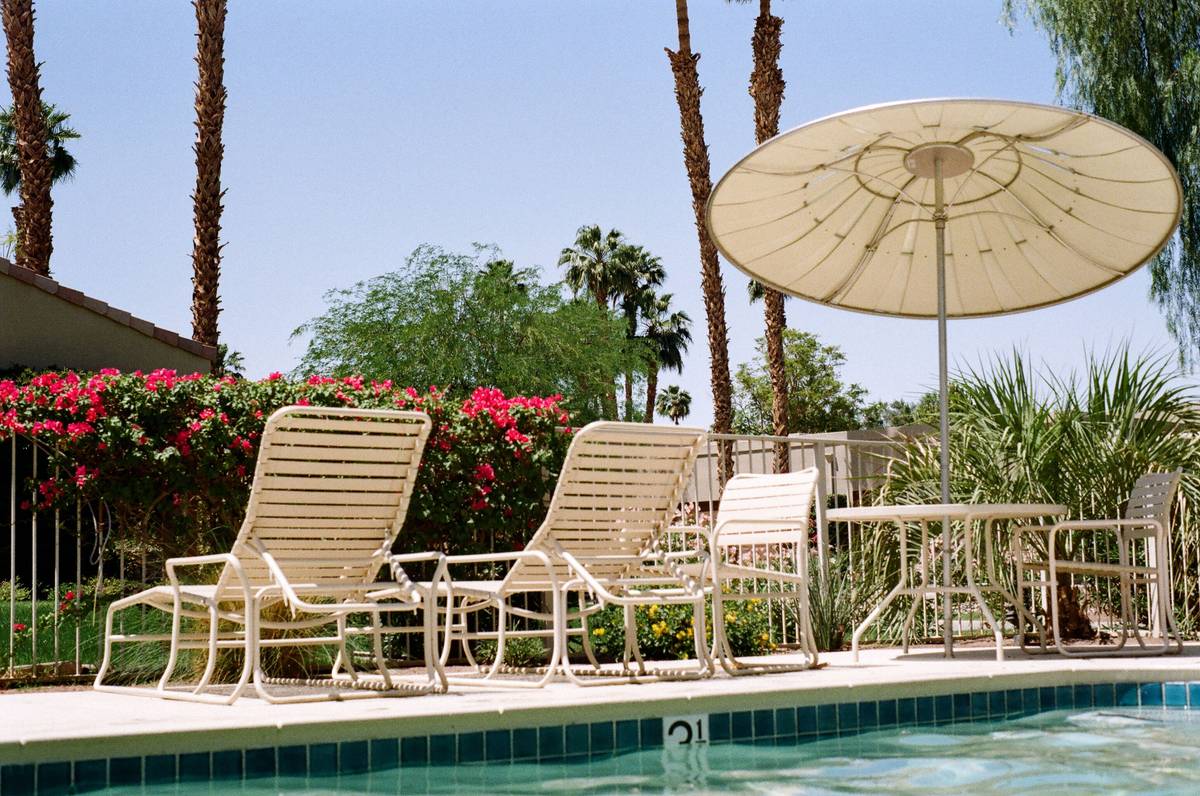
Your poolside looks tired. Sun-bleached cushions, wobbly chairs, rust creeping up metal legs—it’s not relaxing; it’s a maintenance nightmare. You want elegance without constant upkeep. The good news? Smart pool furniture design ideas exist that blend durability, comfort, and style—without turning your backyard into a seasonal repair project.
Why Most Poolside Setups Fail by August
People buy furniture for looks—not logic. They love the sleek teak lounger they saw on Instagram… until saltwater and chlorine eat its finish raw. Or they splurge on plush outdoor sofas that mildew after one humid week.
Here’s the reality: aesthetics alone sink fast near water. UV exposure, moisture retention, and chemical splash zones demand materials engineered for abuse—not just ambiance.
And most “weather-resistant” labels? Marketing fluff. Real resilience comes from smart material pairing and strategic placement—not brand names.
How to Build a Poolside Oasis That Lasts (Without Breaking the Bank)
Forget guesswork. Follow this battle-tested framework—used by high-end resorts and savvy homeowners alike—to create seating that ages gracefully under sun and spray.
Step 1: Choose Materials That Laugh at Chlorine
Aluminum with powder coating beats wrought iron—no rust. Synthetic wicker with UV inhibitors outlasts natural rattan by 3x. And teak? Only if it’s Grade A—and even then, expect graying unless oiled quarterly.
Step 2: Prioritize Drainage Over Padding
Thick cushions trap water. Opt for quick-dry foam wrapped in solution-dyed acrylic fabric (like Sunbrella). Better yet—skip cushions entirely on lower seats. Use contoured sling mesh instead. It dries in minutes, not days.
Step 3: Anchor Your Layout to Microclimates
Not all pool edges are equal. The west side bakes in afternoon sun; the north stays damp. Place loungers where shade rotates naturally. Keep tables away from diving zones—splash = corrosion accelerator.
| Material Type | Upfront Cost | Lifespan Near Pool | Maintenance Needs |
|---|---|---|---|
| Powder-Coated Aluminum | $$ | 10–15 years | Rinse monthly; inspect welds annually |
| Synthetic Wicker (HDPE) | $$$ | 8–12 years | Wipe down; store in extreme freeze |
| Grade A Teak | $$$$ | 15+ years (structurally) | Oiling every 3 months to retain color |
| Stainless Steel (316 marine-grade) | $$$$+ | 20+ years | Near-zero—just rinse with fresh water |
The Industry Secret: Modular > Monolithic
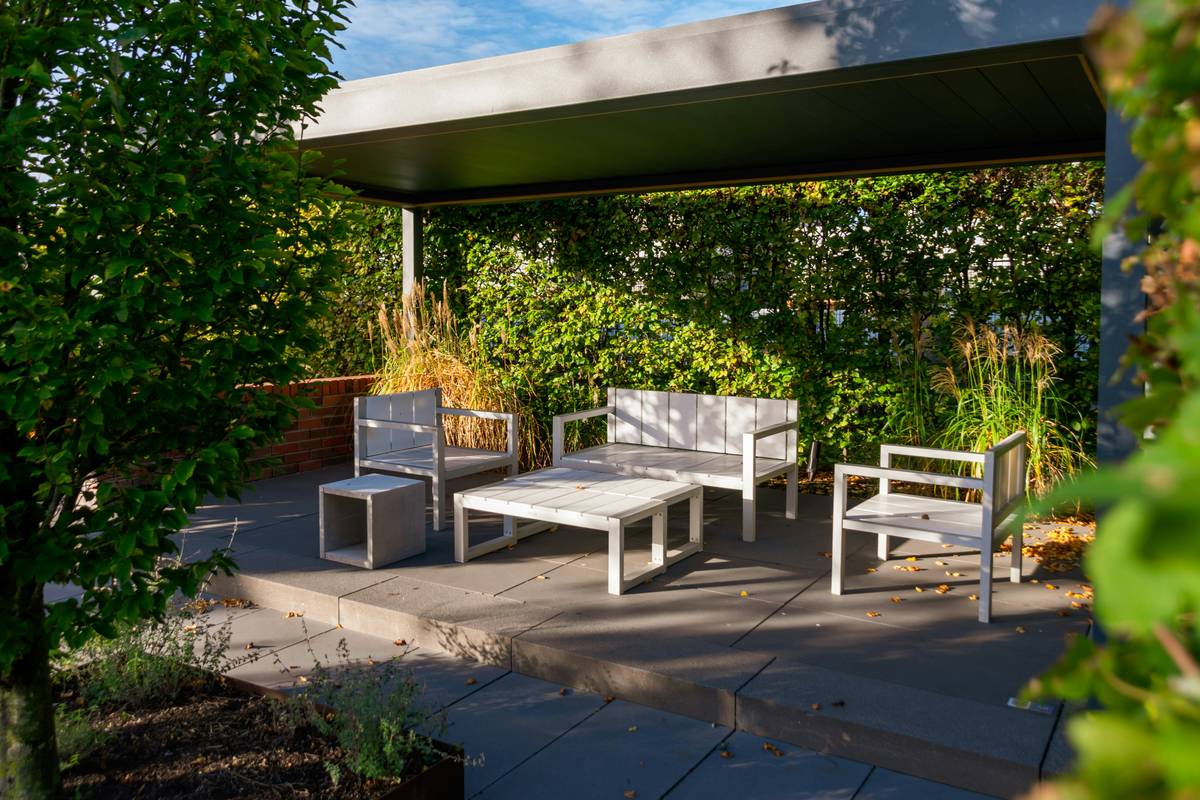
High-end designers don’t commit to fixed sets anymore. Why? Because life changes. Kids grow. Parties shrink or expand. The real pro move? Go modular.
Use stackable sling chairs, nesting side tables, and ottomans that double as footrests or extra seats. This flexibility lets you reconfigure layouts weekly—without buying new gear. Plus, damaged pieces get replaced individually. No full-set replacement trauma.
Think about it: a single soaked cushion shouldn’t doom your entire investment. Modularity is the unsung hero of low-stress poolside living.
Frequently Asked Questions
What is the best material for poolside furniture?
Powder-coated aluminum or marine-grade stainless steel. They resist rust, dry fast, and handle chemical exposure better than wood or standard steel.
Can I leave pool furniture outside all year?
Only if it’s designed for it—marine-grade metals, HDPE wicker, or teak. Even then, covering it during harsh winters extends life significantly.
How do I keep white pool furniture clean?
Use solution-dyed acrylic fabrics—they resist stains. For frames, wipe weekly with diluted vinegar. Never use bleach; it degrades finishes fast.