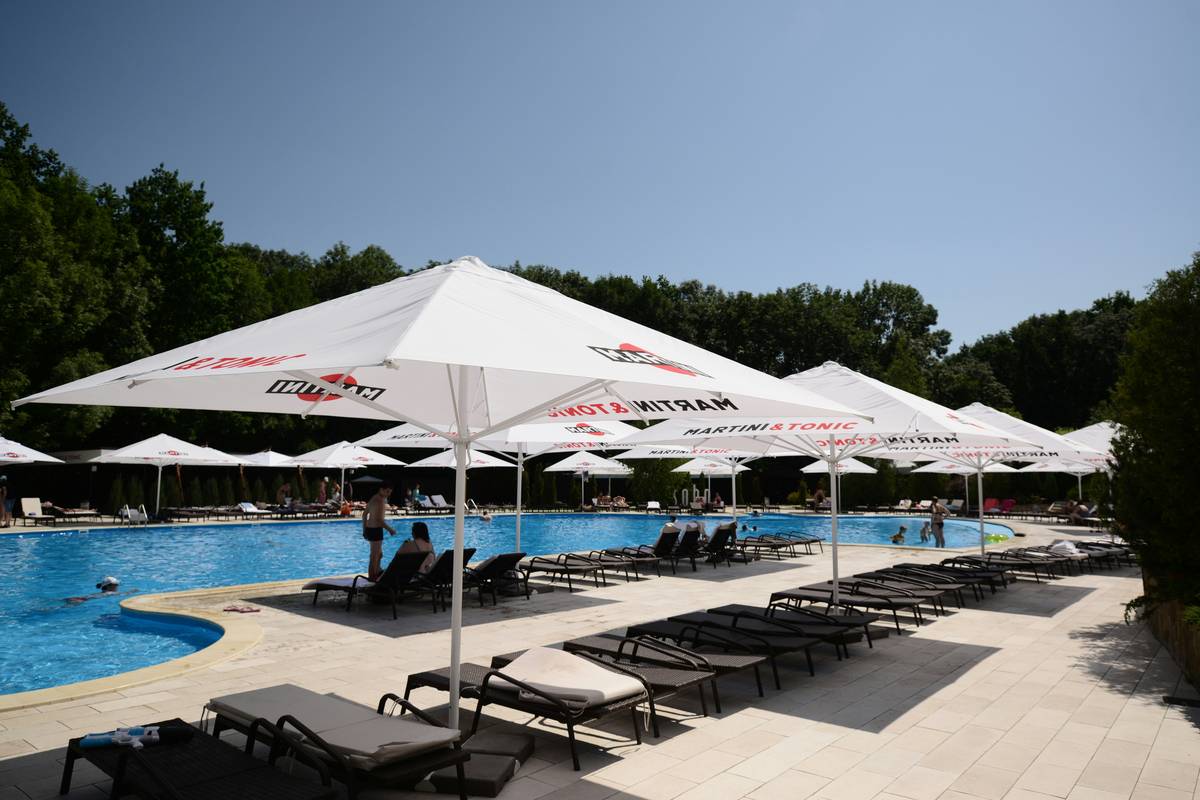
No shade. Blistering sunburns by 2 p.m. Kids squinting, guests retreating indoors—your pool is barely usable past noon. It’s not the water that’s the problem. It’s the lack of smart, stable shelter. The fix? Poolside umbrellas with stand that actually hold up to wind, weight, and real life.
The Flaw in Most Poolside Shade Setups
Most people slap a flimsy cantilever umbrella next to the pool and call it a day. Big mistake. These top-heavy designs wobble at a breeze—and tip over when someone leans on them. Worse, bolt-down models drill into your expensive pavers… only to crack them during seasonal shifts.
And don’t get me started on “weighted” bases filled with sand. They’re heavy enough to ruin your back moving them—but light enough to become airborne in a sudden gust. I’ve seen three flip in one afternoon during a summer storm in Scottsdale. Total write-offs.
How to Choose & Install Poolside Umbrellas with Stand—Right
Match Umbrella Canopy Size to Your Seating Zone
A 6-foot canopy only shades two lounge chairs. Need coverage for a full conversation set? Go 9–11 feet. But bigger isn’t always better—oversized canopies catch more wind, demanding heavier bases.
Prioritize Base Type Over Aesthetics
Looks matter—but stability matters more. Here’s how common base types really stack up:
| Base Type | Weight (Empty) | Wind Resistance | Mobility | Best For |
|---|---|---|---|---|
| Concrete-Filled Resin | 80–120 lbs | High | Low | Permanent setups on patios |
| Modular Metal (Add Water/Sand) | 25 lbs (empty); 70+ lbs filled | Medium | High | Rentals or seasonal use |
| In-Ground Sleeve Systems | N/A | Very High | None | Luxury builds with pre-planned layouts |
| Rolling Cross Bases | 40–60 lbs | Low | Very High | Tight spaces needing repositioning |
Check the Tilt & Rotation Mechanism
If you can’t adjust the canopy angle as the sun moves, you’re buying temporary relief—not all-day comfort. Look for crank-lift poles with 360° rotation and tilt-lock features. Skip anything that requires climbing on a chair to adjust.
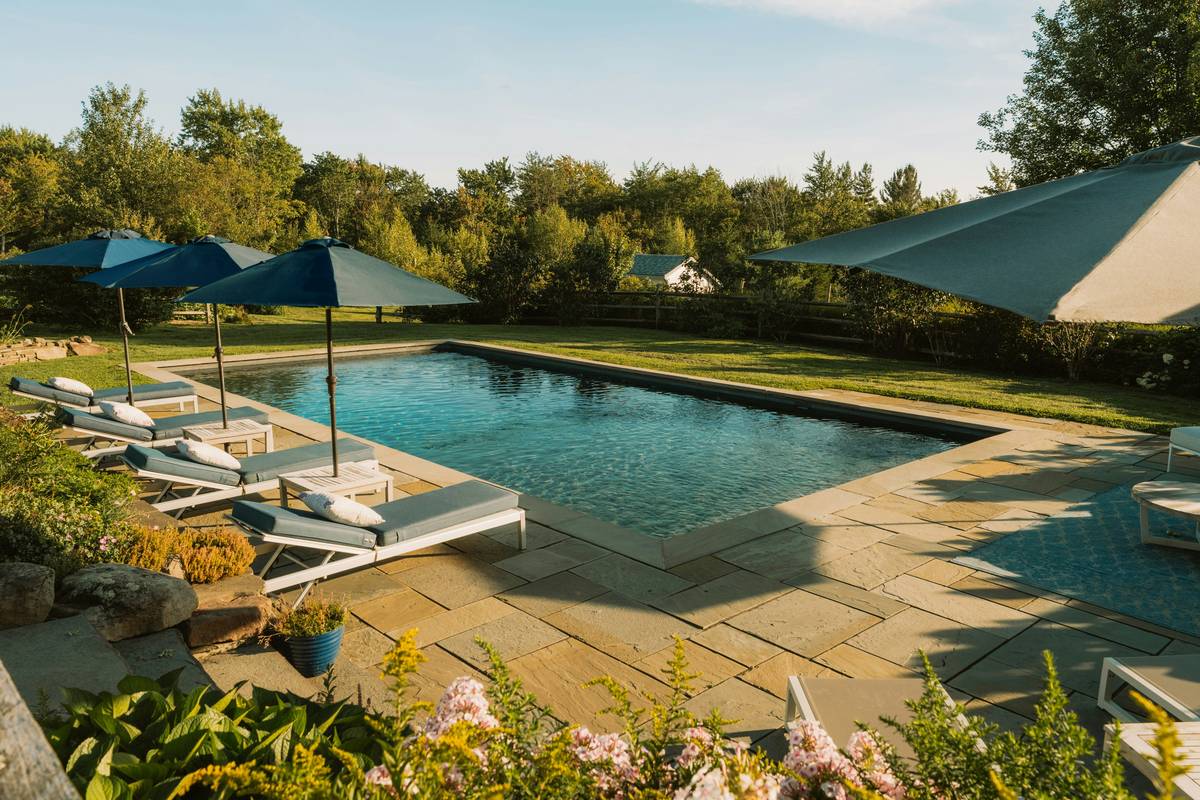
The Industry Secret: Why Commercial-Grade Hardware Beats ‘Designer’ Brands
Here’s what few retailers admit: most “premium” outdoor umbrellas use residential-grade ribs and hubs. They look sleek—but crack after two seasons. The real durability lives in marine-grade aluminum frames and fiberglass-reinforced ribs—specs borrowed from yacht awnings.
I worked with a resort in Miami that switched from Italian-branded umbrellas ($800 each) to commercial suppliers using aircraft-grade joints. Result? Five-year lifespan, zero replacements. The math is simple: spend 20% more upfront on engineering, not aesthetics, and you’ll save triple long-term. And yes—these models still look clean. Minimalist, even.
Frequently Asked Questions
Can I leave my poolside umbrella with stand outside year-round?
Only if it’s specifically rated for all-season use—with UV-resistant fabric and rust-proof hardware. Otherwise, store it covered during storms or winter to prevent frame fatigue and mildew.
How much wind can a typical poolside umbrella with stand handle?
Most residential models fail above 15 mph. Commercial-grade stands with 100+ lb bases may withstand 25 mph—if the canopy is lowered. When in doubt, close it early.
Do I need to anchor my umbrella stand on concrete?
No—but smooth, level surfaces like pavers or concrete offer the best stability. Avoid grass or gravel; uneven terrain increases tipping risk, especially with cross-base designs.